

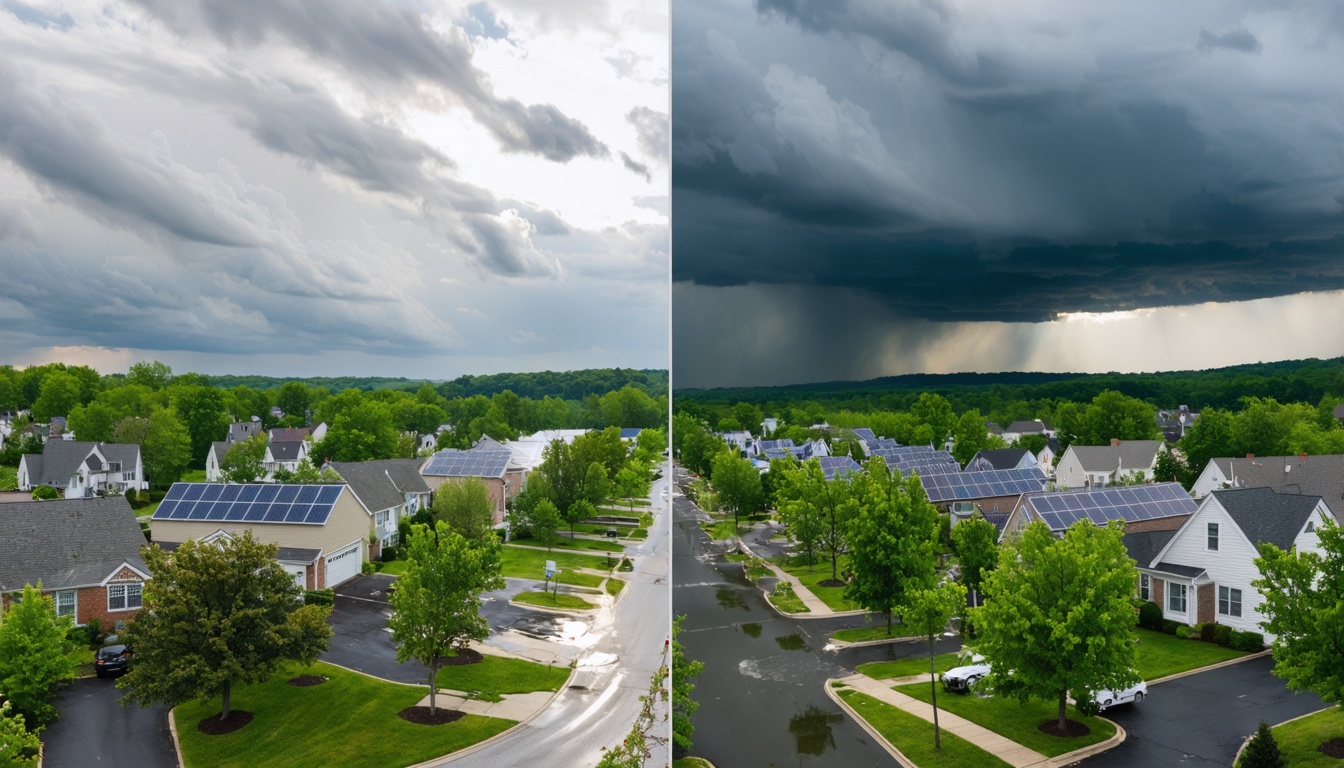
How Local Weather Shapes Solar Energy Decisions in New Jersey
When evaluating the feasibility of solar panels for residential or commercial properties in New Jersey, it is essential to closely examine the state's specific weather patterns. The effectiveness of solar energy systems is influenced by various climate factors, including seasonal variations, cloud cover, and the frequency of storms. These elements can impact both the performance of solar panels and the potential for long-term cost savings. Solar energy performance is primarily determined by the amount of sunlight received. While New Jersey experiences a substantial number of sunny days, seasonal changes can affect overall solar energy generation. For instance, winter months tend to have shorter daylight hours and increased cloud cover, which can reduce solar output. Additionally, New Jersey's climate includes the possibility of severe weather events, such as hurricanes or snowstorms, which can pose risks to solar panel installations. Understanding these risks is crucial for homeowners and businesses to prevent unexpected maintenance costs and ensure the longevity of the solar system. In summary, before committing to solar energy, it is advisable to assess local weather conditions thoroughly, as these factors can significantly influence both system efficiency and economic viability.
Assessing Weather Patterns and Solar Efficiency
When evaluating the potential for solar energy generation in New Jersey, it is essential to recognize that the state experiences approximately 200 sunny days each year, although it does not receive sunlight intensity comparable to that of the southwestern United States. This level of sunlight indicates a workable environment for solar panel installation.
Prior to initiating solar panel projects, a comprehensive analysis of local weather conditions is necessary. Project planners and administrators should refer to climate reports to ascertain factors that may affect solar energy production, including humidity and winter weather patterns.
These elements can have notable implications for the efficiency of photovoltaic (PV) systems and the overall yield of renewable energy.
Furthermore, New Jersey's solar sector is supported by various financial incentives that facilitate the installation of solar facilities. Programs at the state level, along with the SuSI PROGRAM, are designed to bolster solar development.
In addition to these programs, mechanisms such as Net Metering help encourage public participation in solar energy initiatives.
For individuals considering solar panel installation, it is recommended to utilize available planning resources and consult with experts to make informed decisions regarding their projects.
Optimizing Solar Panel Placement for New Jersey’s Climate
New Jersey's climate presents specific conditions that influence solar energy production. For efficient energy generation, solar panels should ideally be mounted on south-facing roofs with a pitch between 30 and 45 degrees. Those considering Solar Roof Installation in New Jersey can find optimal placement guidance at Solar Roof Installation in New Jersey. This configuration can optimize energy output by minimizing shading from adjacent buildings and vegetation.
Employing experienced installers is recommended to ensure the correct implementation of solar systems. They have the expertise to improve panel placement and preserve the functionality of photovoltaic (PV) systems.
Additionally, potential state incentives and programs, such as the Solar Smart Incentive (SuSI), can assist in mitigating the financial aspects of solar installation.
Regular evaluations of solar projects can provide vital information regarding advancements and obstacles in the solar industry, enabling more informed decisions.
Adhering to the Solar Act and Net Metering regulations can improve the effectiveness and sustainability of renewable energy efforts in New Jersey, ultimately benefiting public infrastructure and energy development initiatives.
Evaluating Rooftop Suitability and Sunlight Exposure
Homeowners in New Jersey who are evaluating the suitability of their rooftops for solar energy installations should consider several important factors. Key elements include the roof's orientation, pitch, and the presence of any shading from nearby trees or buildings.
South-facing solar panels, positioned at an angle between 30 and 45 degrees, are generally regarded as the most effective configuration for optimizing energy production.
For a thorough assessment, it is recommended to engage professional services that specialize in site evaluations for photovoltaic (PV) systems. These experts can provide detailed insights tailored to the specific conditions of the installation site.
In addition to site assessment, homeowners should investigate the financial incentives available in New Jersey, such as the Solar Smart Initiative (SuSI), net metering, and provisions under the Photovoltaic (PV) Act.
A careful review of the relevant impact reports and application processes is crucial, as these documents contain essential information related to regulatory compliance and potential financial savings.
For additional guidance, interested homeowners are advised to seek out further information to facilitate informed decision-making regarding their solar projects.
Impact of Seasonal Changes on Energy Generation
The efficiency and output of solar energy systems in New Jersey are significantly affected by seasonal weather variations.
During the summer months, particularly in July, solar photovoltaic (PV) systems tend to generate more energy due to longer daylight hours, which enhance the performance of solar panels.
In contrast, the winter season poses challenges for energy generation; factors such as shorter daylight hours, snow accumulation on panels, and frequent cloud cover can lead to a reduction in energy output.
Understanding these seasonal fluctuations is important for stakeholders, as they can have implications for financial returns and project planning.
For public health facilities and new industry developments, it is beneficial to utilize state incentive programs like SuSI, which can help optimize resource allocation and installation costs.
Organizations are encouraged to monitor the performance of their solar PV systems closely, utilize Net Metering where applicable, and regularly assess energy production reports.
These practices can contribute to maximizing renewable energy generation in response to the changing climatic conditions in New Jersey.
Integrating Local Climate Data into Solar Project Planning
In New Jersey, effective solar project planning requires the integration of local climate data to improve system efficiency and reliability. A thorough analysis of sunlight hours and the impact of weather patterns on energy generation is vital for optimizing the installation of solar panels, site selection, and the selection of photovoltaic (PV) systems.
It is important to consider seasonal variations; for example, the increased sunlight hours in July and the possibility of snow accumulation during winter can notably influence energy output. Conducting a detailed assessment of historical climate data in conjunction with current meteorological patterns is essential for informed decision-making during the project development phase.
Also, exploring available state incentives, such as the SuSI PROGRAM, and net metering options is important for enhancing financial feasibility.
Collaboration among project administration, staff, and stakeholders is necessary to align financial resources, health considerations, and incentives relevant to solar projects.
Interested parties seeking further guidance and assistance are encouraged to utilize the Contact Us channels to facilitate applications that contribute to New Jersey’s renewable energy sector.
Conclusion
When investing in solar energy in New Jersey, it is essential to consider the state's specific weather patterns and seasonal variations. New Jersey experiences a mix of climate conditions, including cold winters and hot, humid summers, which can influence the efficiency and performance of solar panels. Understanding local weather trends can aid in making informed choices regarding the optimal placement of solar panels. For example, panels should ideally be positioned to maximize sunlight exposure, taking into account potential shading from trees or buildings throughout the year. Additionally, assessing the system size is crucial; a larger capacity may be necessary to meet energy demands during periods of high usage, particularly in summer months when air conditioning needs increase. Energy storage solutions may also be a critical component, particularly during winter months when solar production may be lower due to reduced sunlight. Evaluating the expected energy output during different seasons helps in selecting an appropriate storage system to ensure a reliable energy supply year-round. Moreover, it is advisable to take advantage of incentives offered by state and federal programs, which can enhance the feasibility of solar investments. Incorporating advanced technology, such as solar tracking systems, can also improve efficiency by optimizing the angle of panels to capture maximum sunlight exposure. Overall, a proactive approach that combines knowledge of local weather conditions with strategic planning and utilization of available resources is essential for achieving a cost-effective and reliable solar energy system in New Jersey.
|
||||||
| Se prisudvikling på: | ||||||